
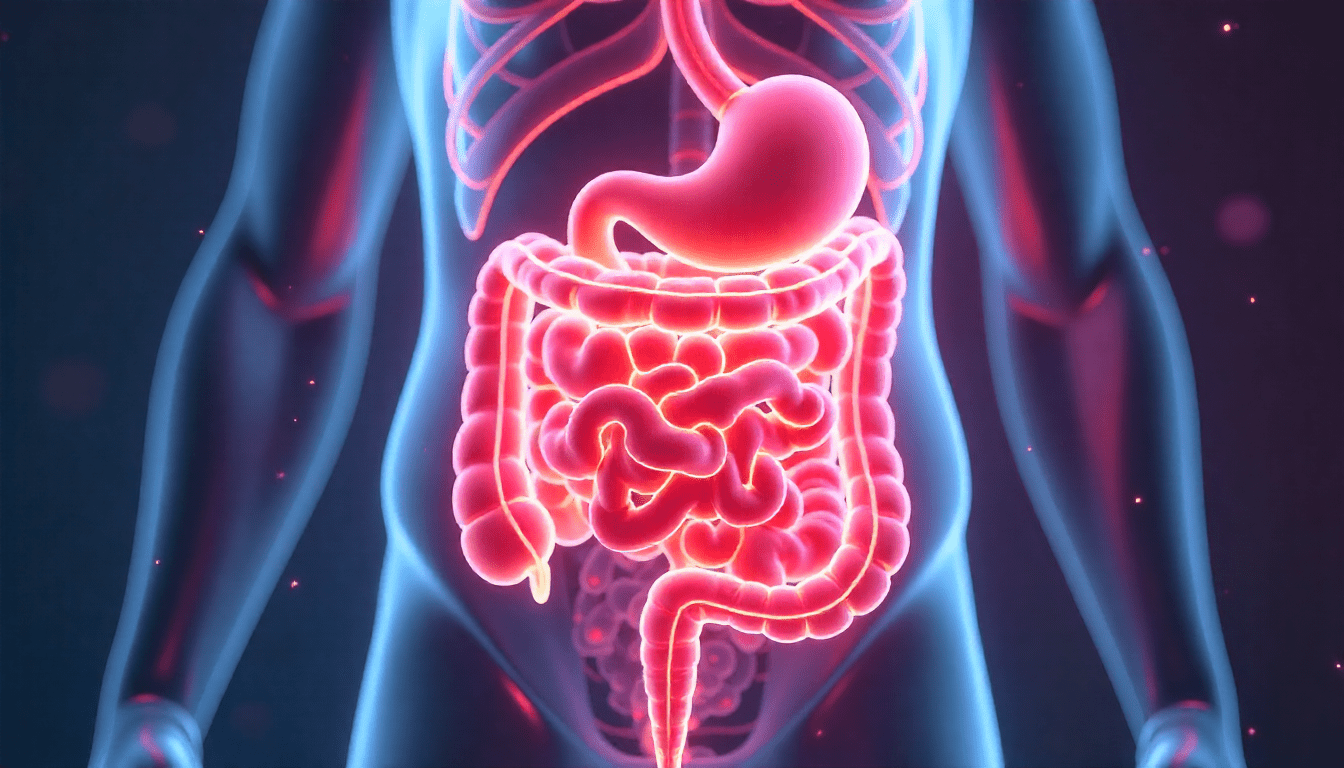
Did you know that gut health is directly linked to how your body manages weight, energy, and mood? In my 3+ years of clinical practice, I’ve seen countless patients struggle with gut health and weight issues, often believing it’s simply a matter of “calories in, calories out.”
But what if I told you the true cause lies within your gut, the very core of your body’s intelligence?
Ayurveda offers a profound, root-cause approach to understanding this connection, going far beyond modern diet trends.
This comprehensive guide covers everything from the foundational Ayurvedic principles to advanced diet and lifestyle protocols. It’s designed to be your definitive guide to understanding how gut health is the key to achieving and maintaining your ideal weight.
What is the Ayurvedic View on Gut Health and Weight Management?
In Ayurveda, the digestive system is regarded as the foundation of all health and disease. Gut health isn’t just about digestion; it’s about the state of your digestive fire, or Agni. Weight gain and metabolic issues are not seen as a fat problem, but rather an Agni problem.
When your Agni is weak, your body cannot properly digest food, resulting in the accumulation of toxins known as Ama. This Ama clogs the body’s channels and disrupts metabolism, leading to weight gain and various other health issues.
How do the three doshas affect gut health and weight?
Your unique body constitution, or Prakriti, is a combination of the three doshas: Vata, Pitta, and Kapha. Each dosha influences your digestive capacity and your natural tendencies toward weight.
- Vata: Individuals with a dominant Vata dosha often have irregular digestion and a variable appetite. They may experience bloating, gas, and irregular weight fluctuations.
- Pitta: A strong Pitta dosha gives you a naturally mighty Agni and a high metabolism. However, when imbalanced, Pitta can lead to inflammation and intense hunger.
- Kapha: Kapha dosha is associated with slow, steady digestion and a tendency to gain weight easily. They can experience sluggishness, water retention, and a sluggish metabolism.
Understanding your dosha is the first step in creating a personalized nutrition ayurveda plan that supports your gut and helps you manage your weight naturally.
Why is Agni (Digestive Fire) so crucial for a healthy metabolism?
Agni is the key to unlocking your metabolism. According to classical Ayurvedic texts, such as the Charaka Samhita, a strong Agni ensures that food is fully digested, nutrients are absorbed, and waste is eliminated efficiently.
A weak Agni leads to incomplete digestion, creating Ama that interferes with cellular function and energy conversion. This clogged state of the body is what truly causes metabolic issues and stubborn weight gain, as your body is unable to burn fuel effectively.
How Do You Create a Personalized Ayurvedic Diet Plan?
The first and most vital step is to identify your unique doshic imbalance (Vikriti). While your birth constitution (Prakriti) is fixed, your current state can be out of balance due to lifestyle, diet, or stress. In my clinical practice, I use a detailed questionnaire and pulse diagnosis to understand your current doshic state. This allows us to determine if your body is currently experiencing an excess of Vata, Pitta, or Kapha, which then informs the specific foods and practices that will bring you back into balance.
What are some general dietary principles to balance the digestive fire, or Agni?
Regardless of your dosha, there are universal dietary principles in Ayurveda that support Agni and prevent the accumulation of Ama.
- Eat Mindfully: Focus on your food without distractions (no TV or phone).
- Eat Your Main Meal at Midday: This is when your digestive fire, or Agni, is strongest, allowing for optimal digestion.
- Eat Warm, Cooked Foods: Cold, raw foods dampen Agni. Warm soups and steamed vegetables are the best options.
- Listen to Your Hunger: Eat only when you truly feel hungry, not when you’re experiencing emotional hunger.
- Use Digestive Spices: Spices like ginger, cumin, coriander, and fennel are powerful aids for digestion.
- Avoid Incompatible Food Combinations: Combining certain foods, such as milk with fish or fruit with dairy, can lead to the formation of Ama.
Read our comprehensive guide on: Gut-Brain-Immune Axis.
Essential Herbs and Foods for Gut Health and Weight?
Ayurvedic herbal medicine offers powerful support for healing the gut and boosting metabolism. These herbs work by directly strengthening Agni and helping the body to eliminate Ama.
- Triphala: A foundational Ayurvedic formula made from three fruits. It’s a gentle yet effective detoxifier that supports the colon and improves nutrient absorption. It’s an excellent tonic for the digestive system.
- Guggulu is known for its fat-scraping properties, helping to regulate cholesterol and support weight management by enhancing metabolism.
- Ginger (Shunti): A potent digestive stimulant. It helps to ignite Agni and is a powerful remedy for bloating and sluggish digestion.
- Amalaki (Indian Gooseberry): A rich source of Vitamin C, it helps to cleanse the digestive tract and supports the liver, an organ vital for metabolism.

What are some key foods to include and avoid for gut health and weight?
To build a strong digestive system, focus on a diet rich in whole, fresh, and easily digestible foods.
Foods to Include:
- Spices: Turmeric, ginger, cumin, fennel, and black pepper.
- Grains: Basmati rice, quinoa, and oats (cooked).
- Vegetables: Leafy greens, squash, root vegetables (cooked well).
- Proteins: Mung beans, lentils, and light, lean proteins.
- Healthy Fats: Ghee and coconut oil in moderation.
Foods to Avoid (or Minimize):
- Processed foods and refined sugars: These are difficult to digest and can create a significant amount of Ama.
- Cold and raw foods: Raw salads and cold drinks can weaken Agni.
- Heavy dairy products, such as yogurt and cheese, can be challenging to digest for some individuals.
What Symptoms Should I Track to Monitor my Progress?
Tracking your progress goes beyond stepping on a scale. As your Agni strengthens and your gut heals, you’ll notice changes in many areas of your health. My proprietary “Gut-to-Go” protocol focuses on tracking these five key indicators:
- Digestion: Are you experiencing less bloating, gas, or constipation?
- Energy Levels: Do you feel more energetic and less sluggish throughout the day?
- Mental Clarity: Is your mind clearer, with less brain fog?
- Cravings: Are you experiencing fewer intense cravings for sugar or processed foods?
- Sleep Quality: Are you falling asleep easily and waking up feeling rested?
How does tracking my progress help me stay motivated?
By tracking these holistic markers, you move away from the frustration of scale-watching and focus on the positive, tangible changes in your health. A study published in the Journal of Alternative and Complementary Medicine highlights the link between a mind-body approach and better health outcomes, demonstrating that observing these improvements can significantly increase your motivation and compliance with a new routine.
What Are Some Advanced Ayurvedic Practices?
For those with stubborn weight issues or significant gut imbalances, deeper cleansing therapies can be a game-changer. The most famous of these is Panchakarma, a powerful Ayurvedic detoxification program.
Panchakarma involves a series of five therapeutic procedures designed to eliminate deep-seated Ama and restore balance to your doshas. This can effectively reset your metabolism and prepare your body to respond to changes in diet and lifestyle.
What Role do Yoga and Pranayama Play in Gut Health and Weight?
Yoga and pranayama (breathing exercises) are not just about flexibility; they are powerful tools for balancing the nervous system, reducing stress, and promoting digestive health.
- Yoga Asanas: Poses like Vajrasana (Thunderbolt Pose) aid digestion after a meal, while Pavanamuktasana (Wind-Relieving Pose) helps to release gas and bloating.
- Pranayama: Practices like Kapalabhati (Skull Shining Breath) and Bhastrika (Bellows Breath) generate heat in the body, helping to ignite Agni and improve metabolism.
Conclusion
The truth is, gut health and weight management are inextricably linked. By moving away from restrictive diets and embracing a personalized, root-cause approach based on the principles of Agni and the doshas, you can achieve lasting health and your ideal weight.
This guide provides the knowledge, but a personalized plan offers the results. If you’re ready to take control of your health, book a one-on-one consultation with Dr. Kaushiki Sharma today.

Dr. Kaushiki Sharma is a B.A.M.S. certified Ayurvedic doctor with 3 years of clinical experience specializing in gut health and metabolic disorders. She is a recognized expert in integrating classical Ayurvedic principles with modern health insights to provide personalized, effective treatment plans for her patients.
Leave a Reply